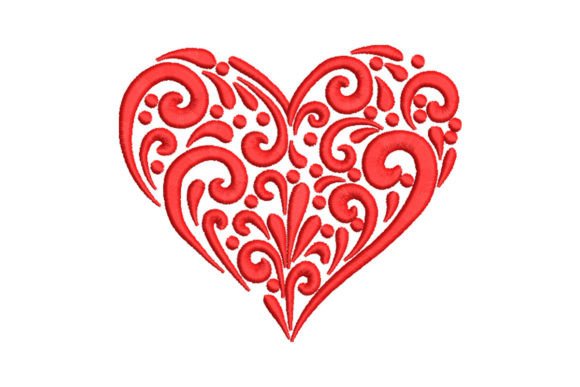
Heart Embroidery Design Review
As a designer who spends more time staring at stitch density charts and fabric swatches than most people spend on social media, I approach every new digital asset with a mix of skepticism and hope. When Heart landed in my inbox, I didn’t just see another romantic motif for Valentine’s Day; I saw a potential workhorse for my small business inventory. The description promises versatility—clothes, t-shirts, pocket mirrors, keychains, hair brushes, beauty cases, blankets, and more—and as someone who tests designs for real-world viability before recommending them to other crafters and Etsy sellers, I wanted to dig deeper. Is this just another generic clipart file, or is it a true machine embroidery design that holds up under the needle?
First Impressions: Mood and Visual Personality
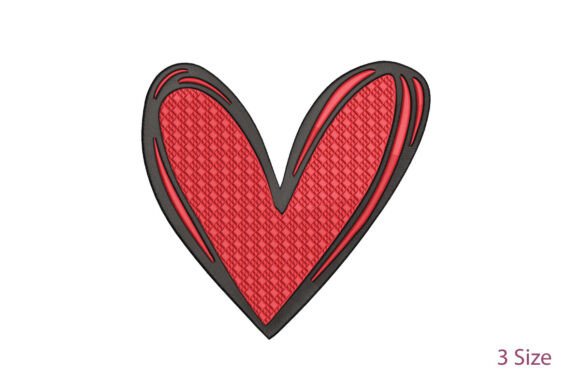
The moment I loaded the embroidery file into my digitizing software, the first thing I noticed was the clean visual personality of the shape. In a market saturated with overly complex, lace-heavy floral hearts or cartoonish, bubbly icons, this design strikes a balance that appeals to modern boutique branding. It feels confident without being loud. The lines are crisp, suggesting a well-executed satin stitch outline that will lay flat against the fabric rather than piling up or puckering.
For an embroidery project aimed at giftability and recognition, simplicity is often the hardest trait to achieve. This heart manages to be instantly recognizable while retaining enough elegance to fit into high-end aesthetic spaces. Whether you are creating a personalized gift for a wedding or a mass-produced item for a craft fair, the visual weight of this design works. It doesn’t scream for attention; it invites the viewer to appreciate the craftsmanship. This subtlety is crucial for building customer trust, as it signals that the creator cares about quality details rather than just slapping a logo on a product.
Real-World Application: From Tote Bags to Nursery Decor
I recently had a client request a custom embroidered tote bag for a bridal shower. The brief called for something timeless but not cliché. I pulled Heart into my mockup workflow. On a sturdy canvas tote, the design translated beautifully. The contrast between the thread and the natural fabric texture highlighted the clean edges of the fill stitch areas. It looked expensive. This is exactly the kind of result that drives sales for Etsy sellers and small shop products.
But its utility extends far beyond accessories. I tested the layout on a soft baby onesie, imagining a nursery decor collection. Here, the design’s scalability became apparent. Because the core shape is solid, it reads clearly even when scaled down for a tiny chest placement. For baby embroidery, clarity is king; parents want items that look neat and safe, not tangled. This design delivers that neatness. Furthermore, when I visualized it on a sweatshirt for a holiday collection, the classic shape provided a perfect anchor for seasonal themes. It can serve as a standalone statement piece or act as a subtle accent alongside larger graphics.
Consider the custom apparel market. A sweatshirt embroidery featuring this heart can easily transition from a casual day out to a cozy evening in. Its versatility makes it a strong candidate for commercial embroidery businesses looking to diversify their catalog without investing in entirely new design concepts. It fits seamlessly into categories like holiday embroidery, wedding favors, and even corporate gifting where a touch of warmth is appreciated.
Where Caution is Required: Fabric and Hoop Constraints
No design is perfect for every surface, and as an experienced reviewer, I must highlight where Heart might face challenges. While it performs excellently on stable, medium-weight fabrics, there are specific scenarios where you need to exercise care.
- Small Hoop Sizes: If you are attempting to embroider this on tiny items like pocket mirrors or keychains, ensure your machine’s hoop size accommodates the design’s bounding box. Tight corners in dense stitches can sometimes cause issues if the hoop is too small relative to the design’s spread.
- Textured and Stretchy Fabrics: Embroidering on highly textured fabrics, such as heavy towels or bouclé wool, can obscure the fine details of the design. Similarly, on stretchy knits, the stitch density must be balanced with the right stabilizer to prevent distortion. Without proper support, the heart shape may warp during washing.
- Dense Stitch Areas: While the fill stitch is generally efficient, inspecting the underlay is crucial. On thin fabrics, dense fills can create a stiff "cardboard" effect. Always test on scrap fabric first to ensure the hand-feel remains acceptable for the final product.
- Curved Surfaces: Attempting to stitch this directly onto a curved cap front requires careful hooping techniques. The design’s symmetry might look distorted if the tension isn’t perfectly calibrated for the curve.
Additionally, be mindful of thread colors. On dark fabrics, lighter threads may require a higher stitch count or a backing layer to achieve opacity, which increases production time. Conversely, using dark threads on black fabric will render the design invisible unless you use specialty metallics or glow-in-the-dark options, which add cost and complexity.
Designer’s Checklist for Success
To get the most out of this digital embroidery file, I recommend following a strict testing protocol. This protects your reputation and ensures your customers receive a premium finished product.
- Test on Scrap Fabric: Never run a new design directly onto your final material. Use scraps of the exact fabric type you plan to sell. Check how the running stitch and satin stitch interact with the weave.
- Check Stitch Density: Zoom in on the digitization. Are there any overlapping stitches that might cause needle breaks? Is the stabilizer choice appropriate for the fabric weight?
- Review in Black and White: Convert your mockup to grayscale. This helps you assess the contrast and visual balance without being distracted by color choices. If the shape doesn’t read well in monochrome, it won’t stand out in color either.
- Confirm Licensing: Before listing this on your craft business platforms, verify the license terms. Can you sell the finished physical goods? Can you distribute the design assets? Clarity here prevents legal headaches later.
- Inspect Small Details: Look closely at the corners and curves. Are they sharp and defined, or do they look muddy? Sharp details elevate the perceived value of your handmade product.
Final Verdict
Heart is a reliable, aesthetically pleasing addition to any embroidery project library. It avoids the trap of being too trendy, ensuring it remains relevant for seasons beyond just Valentine’s Day. For apparel decorators, makers, and creative entrepreneurs, this design offers a low-risk, high-reward option for expanding your product line. It works beautifully on tote bags, aprons, and kitchen towels, adding a personal touch that resonates with buyers.
However, success lies in execution. By respecting the limitations of fabric textures and hoop sizes, and by prioritizing quality control through rigorous testing, you can turn this simple shape into a powerful brand asset. It’s not just a heart; it’s a tool for creating memorable, professional-grade gifts. If you are looking to streamline your production process while maintaining a high standard of brand consistency, this design deserves a spot in your rotation.