Hand Drawn Embroidery Stitch Borders: A Retro-Ready Design Collection
If you're preparing for a weekend craft fair or looking to refresh your handmade market offerings, the Hand Drawn Embroidery Stitch Borders collection is a design asset that immediately stands out. As an experienced embroidery designer who’s curated countless products for boutique makers and Etsy sellers, I can confidently say this set brings a unique charm that blends well with today's popular trends in farmhouse and retro-inspired decor.
First Impressions: Timeless and Tactile
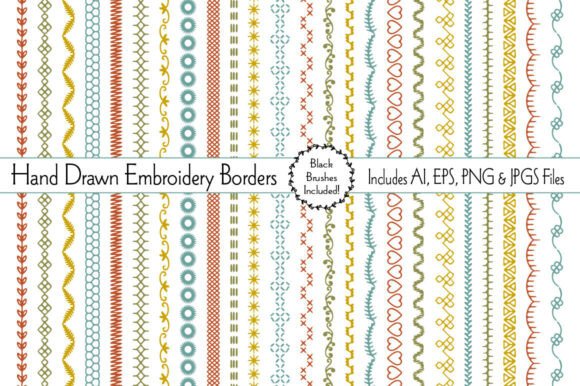
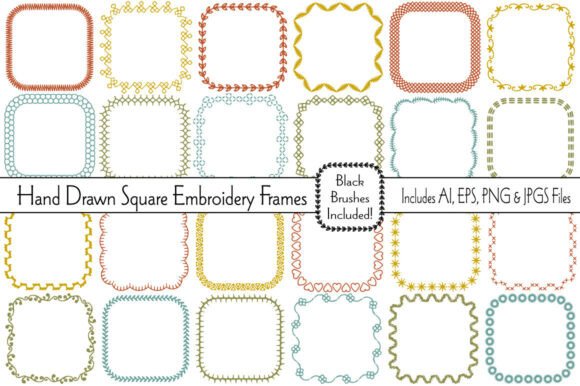
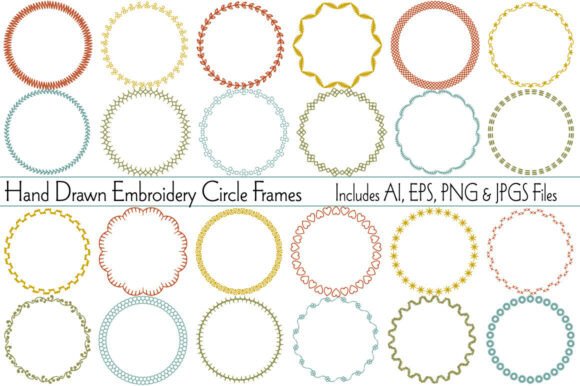
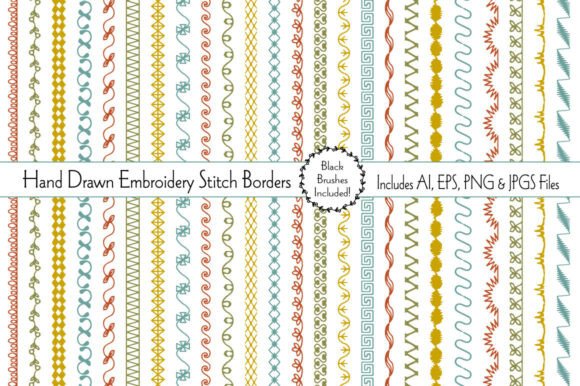
The title alone suggests character—hand drawn, embroidery stitch borders, and retro colors. When I opened the package of design assets, I was struck by the softness and warmth of the hand-drawn aesthetic. These aren’t the sharp, digital borders we often see; they have a gentle, organic flow that feels personal and artisanal. The color palette leans into muted pastels and vintage tones, which makes them feel both elegant and approachable. The black brush outlines in a separate file add versatility, allowing for customization and layering without compromising the integrity of the original design.
What It Feels Like to Use
As a designer, I appreciate how intuitive these machine embroidery designs are. They’re not just visually appealing—they translate well into physical form. The hand-drawn quality gives each border a sense of authenticity, something that customers can sense even before touching the product. This kind of texture is perfect for those who want their craft fair displays to feel more like a curated art show than a mass-produced line.
Design Performance on Craft Fair Products
Embroidery borders don’t just sit nicely on fabric—they elevate it. Here’s how Hand Drawn Embroidery Stitch Borders perform across different handmade items:
- Tote Bag Design: These borders look fantastic along the bottom edge of a tote bag. Their retro charm pairs beautifully with linen or canvas, adding a decorative yet subtle finish. At craft fairs, shoppers gravitate toward bags that look practical but also have personality, and this design hits the sweet spot.
- Apron Embroidery: Applied along the waistband or hem, the borders give aprons a vintage flair. The soft lines complement cotton and burlap fabrics, especially when using natural thread colors. Customers love seeing unique details on kitchen wear—it tells a story of craftsmanship.
- Tea Towel Embroidery: On tea towels, these borders can frame a central motif or wrap around the entire piece. They work best with white or light-colored linen, where the contrast of the black brush strokes really shines. The design doesn’t overwhelm, making it ideal for small shop products that need to be both functional and beautiful.
- Embroidered Patch: The borders are detailed enough to stand on their own as patches. Whether sewn onto denim jackets or added as embellishments to backpacks, they catch attention quickly. Their handcrafted look adds a premium touch to any surface.
- Fabric Pouches & Pillow Covers: On pouches and pillow covers, these borders can define edges or create a continuous pattern down the side. They enhance the handmade quality of the item, especially when paired with textured fabrics like felt or muslin.
- Market Bags & Caps: For curved surfaces like caps, consider simplifying the patterns slightly. The stitch density needs to be adjusted to avoid puckering. Market bags benefit from bold placement at the top or bottom, reinforcing the rustic or vintage theme of the product.
Visual Appeal and Customer Engagement
In person, the Hand Drawn Embroidery Stitch Borders pop subtly against neutral backgrounds. The retro colors and hand-drawn nature make them feel like heirlooms waiting to be made. In a booth full of embroidered goods, these designs help your products stand out because they carry a distinct visual language. They speak to customers who value uniqueness and heritage in their purchases.
Photographically, the design photographs well under natural lighting. The soft curves and clean black outlines provide clear contrast, which is essential for high-quality Etsy listings and printable mockups. When displayed on a table with other embroidered items, the cohesive style helps build brand consistency and reinforces the idea of a thoughtfully curated collection.
Practical Production Notes for Crafters
When considering batch production for a craft fair or online store, there are a few key factors to keep in mind:
- Design Clarity: While the hand-drawn look is charming, some of the tiny details might get lost if not stitched carefully. Test the design on scrap fabric first to ensure all elements remain visible and intact after washing or handling.
- Stitch Density: Dense areas may require extra stabilizer to prevent distortion, especially on thin or stretchy fabrics. If you plan to use them on textured towels or thick canvas, adjust the density accordingly to maintain smooth results.
- Thread Colors: The retro colors mentioned in the description are likely to be a hit, but I recommend experimenting with different thread palettes to match your brand or seasonal themes. The black brushes are particularly useful for outlining or contrasting against lighter hues.
- Hoop Size: Since hoop size isn’t specified, always review the design dimensions and test on your preferred fabric type. Larger borders will need bigger hoops, while smaller accents can fit within standard sizes. Confirming this before bulk production is crucial for efficiency.
- Commercial Licensing: Make sure to check the licensing terms before selling finished products. Many digital embroidery files come with restrictions, and you’ll want to stay compliant if you're planning to offer them commercially.
Best for Small Shop Product Lines
These borders are incredibly versatile and repeatable, which is great news for small shop product lines. You can use one or two different borders per item to create variety without losing your signature style. For example, pairing two complementary borders on a pillow cover or using one consistently across all tote bags in your booth strengthens your display and builds recognition among buyers.
Why This Works for Handmade Markets and Etsy Sellers
Customers at craft fairs and handmade markets are looking for pieces that tell a story. The Hand Drawn Embroidery Stitch Borders do exactly that. They evoke nostalgia and artistry, making them ideal for boutique makers and creative entrepreneurs aiming to sell premium-looking items without the premium price tag.
For Etsy sellers, the design translates well into listings. With the right photography and styling, it can appear in multiple product categories—caps, aprons, tea towels—and still maintain its appeal. The hand-drawn aspect also gives it a unique identity, helping your shop stand apart from the competition.
Creating Booth Samples and Mockups
I’d recommend creating at least one real sample to include in your booth display. A single embroidered towel or patch with the border can serve as a conversation starter. Pair it with a printable mockup of the same design on various items to show customers what else you offer. These visuals help boost buyer engagement and encourage impulse purchases.
Also, compare how the borders look on different fabric colors. Darker shades may mute the retro colors, while lighter ones let them shine. Use the black brush versions to highlight or accentuate the main design elements—this flexibility is a huge plus for digital sellers who want to adapt quickly to trends.
Final Thoughts from a Professional Embroidery Designer
Overall, Hand Drawn Embroidery Stitch Borders are a solid addition to any embroidery designer’s toolkit. They bring a level of detail and warmth that’s hard to replicate with generic templates. Whether you're creating craft fair products or expanding your commercial embroidery range, these borders can be used in numerous ways without ever feeling repetitive.
Remember to inspect stitch density, confirm hoop size, and use the right stabilizer depending on your chosen fabric. Creating a real mockup before finalizing your booth inventory is a smart move—it allows you to assess how the design holds up in practice and presentation.
With thoughtful application and a bit of creativity, these illustrations and graphics can become the standout feature of your next product line. So go ahead—test them out, play with placement, and watch your customers take notice.