Folk Art Embroidery Pattern Design Review
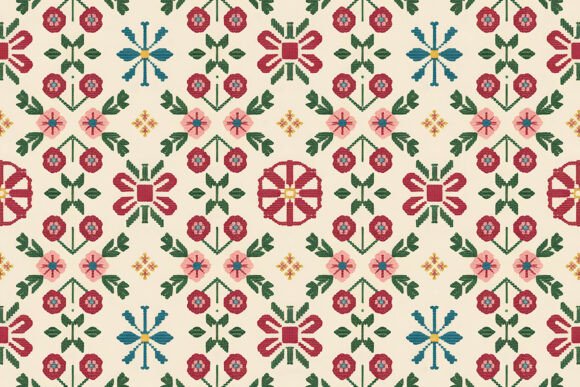
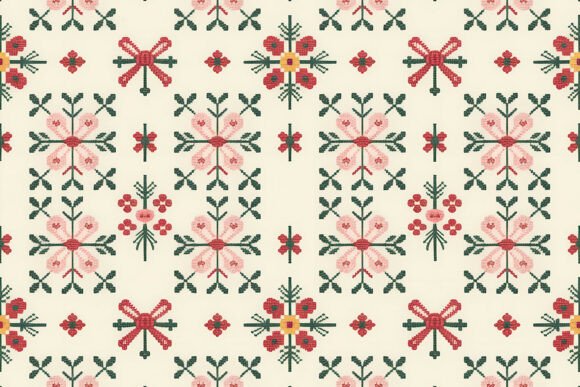
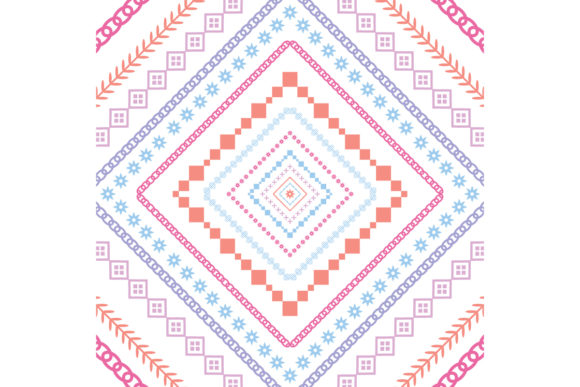
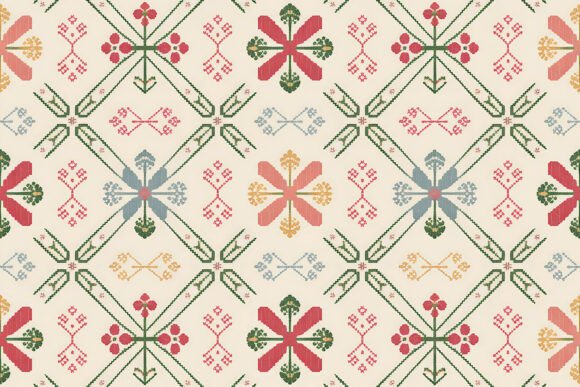
As an embroidery designer who spends hours every day evaluating files for both personal projects and client orders, I have learned that the difference between a good gift and a personalized gift that gets framed on a wall often comes down to one thing: the soul of the design. When I first opened Folk Art Embroidery Pattern Design on Creative Fabrica, I wasn’t just looking at pixels; I was imagining how this would look stitched onto fabric. With its expansive size of 7200x7200Px, this charming artwork brings to life venerable traditional crafts with a hand-crafted aesthetic that feels incredibly warm and inviting.
In this review, I will walk you through my professional assessment of this Graphics category item, specifically focusing on how it translates from a digital file into a tangible, high-value handmade product. Whether you are an Etsy seller, a small business owner, or a crafter making a one-of-a-kind wedding present, understanding the practical application of this design is key to success.
First Impressions: The Emotional Appeal of Folk Art
The immediate visual impact of Folk Art Embroidery Pattern Design is one of cozy nostalgia. It does not feel sterile or overly modern. Instead, it evokes the feeling of a grandmother’s quilt or a cherished family heirloom passed down through generations. The style is sweet yet elegant, balancing playful motifs with a classic structure that appeals to a wide demographic.
For those of us in the industry, "folk art" can sometimes be tricky. If the details are too complex, the machine may struggle. If they are too simple, it lacks character. This design strikes a beautiful balance. The lines appear soft and organic, suggesting a handmade charm that resonates deeply with buyers looking for authenticity in their home decor. It feels romantic without being cliché, and decorative without being cluttered. This emotional resonance is exactly what drives engagement on platforms like Etsy, where customers are buying a feeling as much as a physical object.
Practical Applications for Personalized Products
One of the strongest assets of this embroidery file is its versatility. Because it falls under the Patterns category but offers such a distinct graphic presence, it can be scaled and adapted for numerous commercial embroidery projects. Here is how I see it performing in real-world scenarios:
- Baby Embroidery: The gentle nature of folk art makes it perfect for nursery items. Imagine this design centered on a blanket embroidery project for a baby shower. The large canvas allows for a focal point that looks substantial on a crib sheet or a receiving blanket.
- Wedding Gifts: A wedding gift needs to feel special and timeless. Stitching this onto high-quality linen towels creates a sophisticated keepsake. The traditional vibe aligns perfectly with rustic or vintage-themed weddings.
- Home Decor: This design shines on a pillow cover or a kitchen apron. The symmetry often found in folk art patterns works beautifully when centered on square pillows, creating a balanced and pleasing aesthetic for living rooms.
- Tote Bags and Aprons: For the small shop product maker, this design adds value to basic cotton totes. It transforms a plain bag into a statement piece that customers will want to carry around, effectively acting as mobile advertising for your brand.
Navigating Practical Embroidery Concerns
While the visual appeal is undeniable, a professional review must address the technical realities of stitching. Working with detailed graphics requires careful planning to ensure the final output matches the digital preview.
Thread Colors and Contrast
The effectiveness of any custom embroidery relies heavily on thread selection. Folk art designs often rely on specific color palettes to maintain their character. Before committing to a run, you must compare thread colors against your chosen fabric. If you are stitching on dark fabric, you will need to use a cutwork or appliqué technique, or ensure you have a high-density white underlay to prevent show-through. Conversely, on light fabrics, ensure your colored threads provide enough contrast so the intricate details do not get lost.
Stabilizer Choice and Fabric Texture
The choice of stabilizer is critical, especially when dealing with different fabric textures. For stretchy baby clothes or delicate jersey knits, a tear-away or cut-away stabilizer is non-negotiable to prevent puckering. However, if you are working with woven cottons for embroidered towel projects or sturdy aprons, a heavy-duty cut-away provides the best long-term durability. Always test on a scrap piece of the exact same material to see how the stitch density interacts with the weave.
Detail Resolution and Hoop Size
With a resolution of 7200x7200Px, this design contains significant detail. You must check the hoop size requirements before starting. If the design exceeds your machine’s hoop, you will need to reposition it, which can affect the final composition. Furthermore, inspect the smaller elements after stitching. Sometimes, tiny leaves or intricate borders can merge together if the stitch density is too high or the needle is dull. A clean finish depends on sharp needles and proper tension settings.
Building Trust and Perceived Quality
In the world of online selling, perception is reality. A well-executed machine embroidery design signals professionalism and care. When a customer receives a finished product with crisp stitches, no loose threads, and accurate color representation, their trust in your brand skyrockets. This leads to higher ratings, repeat purchases, and positive word-of-mouth.
Moreover, the aesthetic of Folk Art Embroidery Pattern Design lends itself exceptionally well to product photography. The rustic, handmade feel photographs beautifully against natural backgrounds like wood tables, dried flowers, or linen backdrops. This enhances the printable mockup potential, allowing you to create compelling listings even before the physical item is made. High-quality images drive clicks, but quality craftsmanship drives conversions.
Essential Pre-Production Checklist
To ensure your digital embroidery file results in a masterpiece, I recommend following these steps before producing your first order:
- Create a Test Stitch-Out: Never assume a design will work perfectly on the first try. Stitch it out on a waste cloth first to check for errors.
- Review Stitch Density: Look closely at dense areas. Are the stitches piling up? Do they look muddy? Adjustments may be needed in your software.
- Confirm Licensing: While this is a creative asset, always review the specific license terms on Creative Fabrica. Ensure you are compliant if you plan to sell the finished goods commercially.
- Check Product Details: Verify the file format compatibility with your embroidery machine. Not all machines read the same formats natively.
Final Thoughts
Folk Art Embroidery Pattern Design is more than just a pretty picture; it is a versatile tool for creating meaningful connections through craft. Its blend of traditional charm and high-resolution clarity makes it an excellent choice for anyone looking to elevate their handmade product offerings. From baby embroidery projects that become treasured memories to wedding gifts that celebrate love, this design has the potential to add warmth and value to any occasion.
By paying attention to the technical details—thread choice, stabilizers, and testing—you can transform this digital asset into a stunning physical reality. For the Etsy seller or small business owner, investing time in mastering the execution of designs like this one is what separates a hobbyist from a professional brand. I highly recommend adding this to your library and seeing how it fits into your next creative project.