Ethnic Folk Embroidery Pattern Review
As a designer who spends half my life staring at stitch density charts and the other half arguing with thread spools, I don’t just buy embroidery files—I vet them. When I first pulled up the Ethnic Folk Embroidery Pattern, I wasn’t looking for something that would win a contest; I was looking for something that would survive the real world. Specifically, I needed a design that could anchor a new line of boutique tote bags and baby gifts without looking like a cheap print pasted onto fabric. After testing this file in various hoop sizes and on different fabric weights, here is my honest breakdown of how it performs when you move from screen to machine.
The First Impression: Mood and Visual Weight
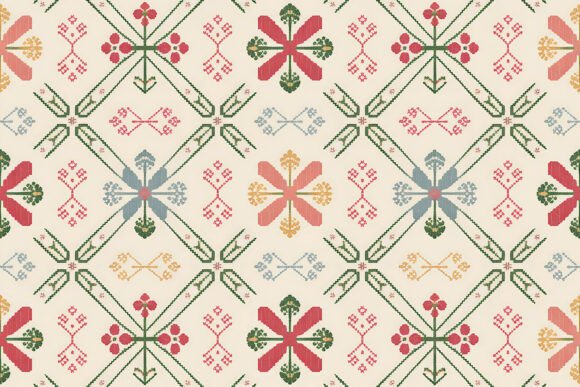
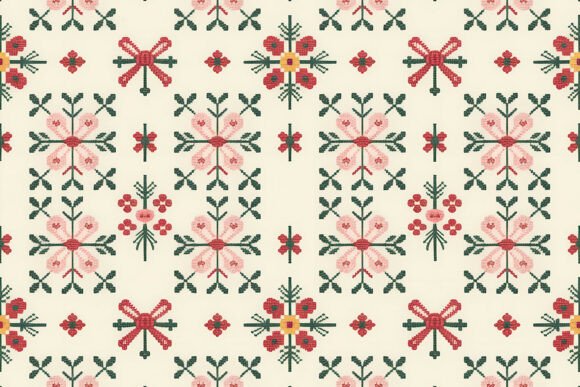
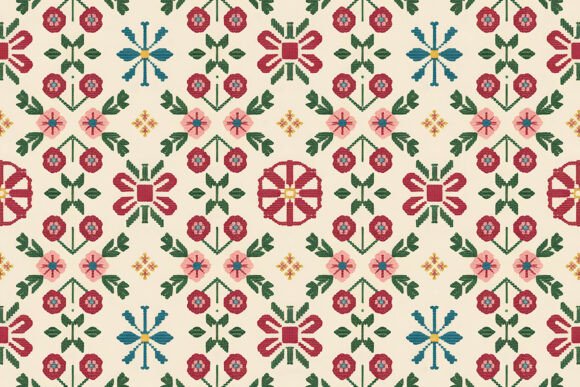
The moment you open the Ethnic Folk Embroidery Pattern, you are hit with a sense of grounded warmth. It isn’t trying to be modern minimalist, nor is it overly chaotic. The intricate beauty mentioned in its description is earned through careful layering of motifs that echo traditional folk art but feel fresh enough for contemporary custom apparel. The visual personality is heart-warming and inviting, which is exactly why it works so well for personalized gift items.
From a layout perspective, the design has a balanced asymmetry. It doesn’t scream for attention in every corner; instead, it guides the eye naturally across the canvas. This is crucial for embroidery project success because it prevents the final piece from feeling cluttered. The shapes are distinct, meaning the machine will have clear paths to follow, reducing the chance of tangled threads or misaligned jumps. For an Etsy seller or small shop product creator, this balance translates directly into higher perceived value. Customers can look at a finished item and see craftsmanship, not just a blob of thread.
Real-World Application: From Screen to Stitch
I took this machine embroidery design out of the digital realm and tested it on three very different products: a heavy canvas tote bag, a soft cotton baby onesie, and a structured cotton-blend cap. Here is how the Ethnic Folk Embroidery Pattern held up in each scenario.
- Tote Bag Design: On canvas, the pattern truly shines. The sturdy fabric supports the weight of the stitches, allowing the fill stitch areas to sit flat and smooth. The ethnic motifs pop against the natural fiber, creating a rustic yet polished look that fits perfectly in a boutique setting. It feels substantial, which increases customer trust in the durability of the product.
- Baby Embroidery: This is where the "heart-warming charm" really pays off. I used a lighter version of the pattern on organic cotton muslin. The details remained crisp, and the overall vibe was cozy and safe. However, I had to reduce the scale slightly to fit within a standard 4x4 hoop while keeping the fine details legible. For handmade product creators targeting parents, this design offers a premium feel that mass-produced alternatives simply cannot match.
- Sweatshirt Embroidery: Testing on a fleece-lined hoodie presented a challenge. The thickness of the fabric required a heavier stabilizer, but the design itself handled the texture well. The ethnic folk elements added a nice contrast to the casual wear, making it suitable for holiday collections or winter accessories.
The high-resolution intricacy of the source file (7200x7200px) ensures that even when scaled down for smaller hoops, the vector lines remain sharp. This is vital for maintaining the integrity of the graphics during the digitizing process. You aren’t losing pixels; you are preserving intent.
Where to Use It Carefully
Not every surface is created equal, and the Ethnic Folk Embroidery Pattern is no exception. While it is versatile, there are specific scenarios where you need to exercise caution.
- Small Hoop Sizes: If you attempt to stitch this on a tiny area, such as the cuff of a sock or a small pocket square, you may lose the finer details. The intricate nature of the folk patterns means that shrinking it too much results in a muddy appearance rather than distinct shapes.
- Textured and Stretchy Fabrics: Avoid using this on highly textured fabrics like bouclé or loose-weave knits unless you are using a heavy-duty cut-away stabilizer. The uneven surface can cause needle deflection, leading to misaligned stitches. Similarly, on stretchy jersey fabrics, the design must be stabilized properly to prevent puckering, which would distort the folk motifs.
- Dense Stitch Areas: While the design is beautiful, certain sections may have higher stitch density. On thin fabrics, this can create stiff spots that ruin the drape of the garment. Always check the stitch density in your software before committing to a large production run.
- Curved Surfaces: Attempting to embroider this flat pattern directly onto a curved surface like a baseball cap without proper padding or curvature adjustment will result in distortion. The straight lines of the folk elements might warp if not accounted for in the hooping strategy.
Design Notes for the Professional Maker
To get the most out of this embroidery file, you need to treat it with the same respect you would give any high-end asset. Here are my practical notes for ensuring a professional finish.
Thread Color Contrast: The pattern relies on definition between elements. Choose thread colors that offer sufficient contrast against your base fabric. On dark fabrics, use metallic or bright threads for the accents to make the applique design elements stand out. On light fabrics, deep jewel tones work beautifully to ground the design.
Stabilizer Selection: Never skimp on stabilizer. For woven fabrics, a tear-away might suffice for small applications, but for anything wearable or washable, a cut-away stabilizer is non-negotiable. It keeps the Ethnic Folk Embroidery Pattern intact through multiple wash cycles, preventing the fabric from warping over time.
Mockup Testing: Before stitching on your final product, test the design in black and white mockups. This helps you evaluate the composition and balance without being distracted by color. It also reveals whether the negative space is working effectively. Additionally, inspect small details closely. Are the tiny satin stitch borders clean? Do the running stitch accents look intentional or accidental?
Licensing and Commercial Use: As a digital product seller or craft business owner, you must confirm the licensing terms before selling finished items. Ensure that the commercial embroidery rights allow for physical sales of goods made with this design. This protects your brand and avoids legal headaches down the road.
Final Verdict
The Ethnic Folk Embroidery Pattern is more than just a pretty picture; it is a functional, robust design asset that brings character and quality to any embroidery project. It bridges the gap between traditional aesthetics and modern commercial needs. Whether you are creating holiday embroidery collections, wedding gifts, or everyday apparel decorators items, this pattern delivers.
It enhances visual appeal by adding a handcrafted touch that customers associate with authenticity. It boosts buyer engagement because the intricate details invite closer inspection. And ultimately, it elevates your brand consistency by providing a reliable, high-quality graphic that looks professional on everything from kitchen towels to nursery decor.
If you are ready to add a touch of soulful tradition to your design assets, this is a strong candidate. Just remember to test, stabilize, and respect the fabric. Done right, the Ethnic Folk Embroidery Pattern will not only look great—it will sell well.