3D Floral Wildflowers Embroidery Pattern Review
As a designer who spends half my day staring at stitch maps and the other half wrestling with fabric tension, I don’t just look for "pretty" designs. I look for viability. When 3D Floral Wildflowers Embroidery Pattern landed on my desk, my first thought wasn't about aesthetics—it was about execution. Would this hold up in a commercial setting? Would it translate well from a digital preview to a tangible, stitched reality? After running through several test scenarios, including custom apparel and boutique merchandise, here is my honest breakdown of how this pack performs in the real world.
First Impressions: Mood and Visual Personality
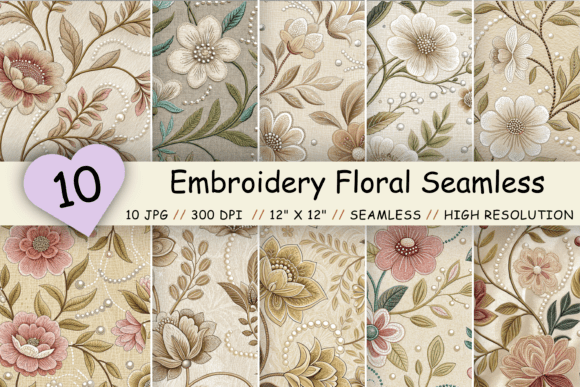
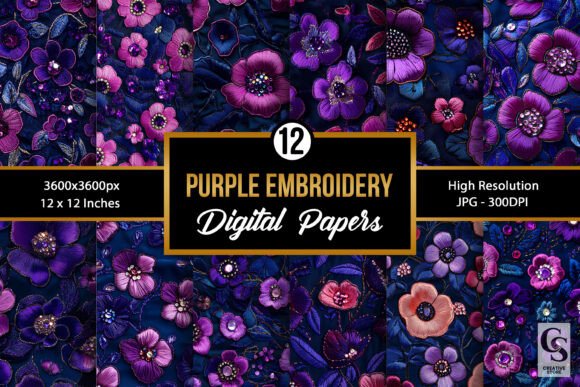
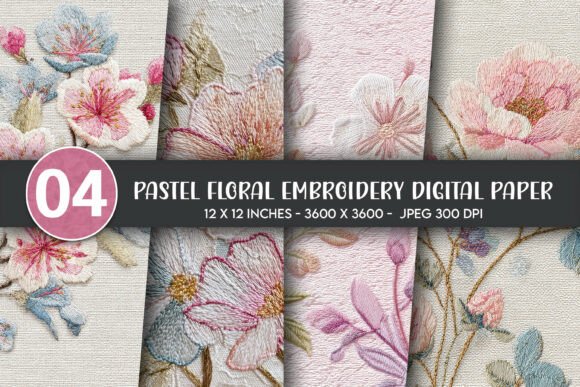
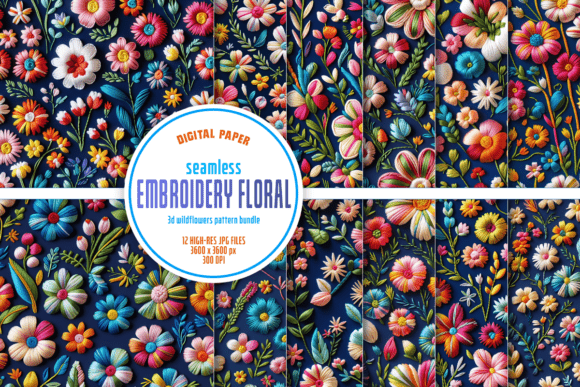
The moment you open the files, the visual impact is immediate. The term "3D" in the title isn't just marketing fluff; these patterns are constructed with a depth that suggests volume and texture even before a single needle pierces the cloth. The wildflower theme is executed with a naturalistic yet stylized approach, avoiding the overly rigid symmetry that often plagues mass-produced embroidery graphics. Instead, the blooms feel organic, drifting across the canvas with a sense of movement.
What stands out most is the variety within the pack. Because the patterns vary in color, tone, and design density, they offer flexibility that a single-image file simply cannot match. For a small business owner or an Etsy seller, this versatility is gold. You aren't locked into one aesthetic. You can curate a collection that feels cohesive but diverse, appealing to different customer preferences without needing to source multiple disparate assets. The visual personality is soft, inviting, and distinctly feminine, making it naturally suited for products that aim to evoke comfort, nostalgia, or gentle elegance.
Real-World Application: From Screen to Stitch
I decided to put this machine embroidery design to the test by envisioning it on three distinct product categories: a heavy cotton tote bag, a baby onesie, and a linen pillow cover. Here is how the 3D Floral Wildflowers Embroidery Pattern translates in each scenario.
The Tote Bag Scenario
Tote bags are the bread and butter of many craft businesses. They are large, forgiving canvases. Using this pattern as an all-over print effect or a large central motif works beautifully. The seamless nature of the backgrounds allows for continuous stitching without jarring breaks, which is crucial for maintaining a professional finish. On a sturdy canvas tote, the intricate details of the wildflowers remain crisp. Customers appreciate the tactile quality of dense stitching, and this design delivers that perceived value. It elevates a simple $5 bag into a $20+ boutique item.
The Baby Item Scenario
When moving to softer, more delicate fabrics like those used for baby clothes or nursery decor, caution is required. The 3D effect relies on layering and density. If applied to a thin muslin onesie, the weight of the thread might cause puckering. However, on a thicker cotton-blend blanket or a structured bib, the design shines. The soft tones of the wildflowers complement the gentle palette of baby products perfectly. It creates a sense of care and attention to detail that parents look for when buying personalized gifts.
The Home Decor Scenario
For pillow covers or tea towels, the graphic nature of the background becomes more apparent. These items benefit from the high-resolution quality of the files. The contrast between the floral elements and the negative space (or background pattern) ensures that the design doesn't get lost in the weave of the fabric. It reads clearly from a distance, which is essential for home goods where the viewer isn't standing inches away from the work.
Where to Exercise Caution
No design is universally perfect, and understanding its limitations is part of being a professional. There are specific contexts where 3D Floral Wildflowers Embroidery Pattern might struggle if not handled correctly.
- Small Hoop Sizes: While the individual flowers are detailed, trying to fit complex sections of this pattern into a very small hoop (under 4x4 inches) can result in a loss of definition. Fine lines may merge together, turning distinct petals into muddy blobs. Stick to larger placements for maximum clarity.
- Stretchy or Thin Fabrics: As mentioned, stability is key. Applying this to lightweight jersey or silk without proper support will lead to distortion. The density of the fill stitches requires a stable base.
- Dark Fabrics: If your fabric is dark, ensure your thread colors have sufficient contrast. Some of the lighter tones in the pattern might disappear against black or navy backgrounds unless you use underlay stitches effectively or choose brighter thread variants.
- Curved Surfaces: Attempting to embroider this directly onto a curved surface like a baseball cap can be tricky. The seamless background might warp around the curve, breaking the illusion of a flat, printed graphic. It’s better suited for flat panels or less curved areas.
Practical Designer Notes for Success
To get the best results from this embroidery file, I recommend following a strict pre-production checklist. This isn't just about saving time; it's about protecting your reputation as a maker.
- Test on Scrap Fabric: Never run a new design on final merchandise immediately. Use scraps of the actual fabric you plan to sell. Check how the stabilizer interacts with the material. Does the backing show through? Is the fabric too stiff after hooping?
- Review Stitch Density: Look closely at the fill stitch areas. Are there any gaps where the fabric might peek through? Conversely, is it so dense that the needle breaks? Adjusting the stitch length in your software can often mitigate these issues.
- Thread Color Contrast: Test your thread colors against your fabric. A common mistake is choosing threads that are too similar in tone to the background, resulting in a low-impact design. High contrast usually yields a more professional look.
- Black and White Mockups: Convert your digital preview to grayscale. This helps you see the true value structure of the design. If the image looks muddy in black and white, it will likely lack punch in color.
- Licensing Verification: Before listing this as a commercial embroidery asset or selling finished goods, double-check the license terms. Ensure you are permitted to sell physical products made from these designs. This protects you from legal issues down the line.
Final Verdict: Value and Versatility
Ultimately, 3D Floral Wildflowers Embroidery Pattern is a strong addition to any designer’s library. It strikes a balance between artistic flair and technical feasibility. It is not a novelty item; it is a functional tool for creating high-quality handmade products.
For the Etsy seller looking to expand their design assets, this pack offers enough variety to keep your shop fresh without requiring constant new purchases. For the hobbyist, it provides a satisfying challenge that results in a stunning finished product. The key lies in preparation. Respect the fabric, respect the hoop size, and respect the stitch density. Do that, and this design will serve you well, adding a touch of wild, elegant beauty to your custom apparel, gifts, and boutique items.
If you are ready to move beyond basic monograms and want to introduce complex, textured florals into your workflow, this is a reliable choice. Just remember: the magic happens in the testing phase. Get it right on the scrap, and you’ll have a winner on your hands.