Pastel Floral Embroidery Digital Paper Review
As a designer who spends more time staring at stitch density charts than sleeping, I have learned to trust my gut before I ever load a file into the machine. When I first pulled up Pastel Floral Embroidery Digital Paper, my immediate reaction wasn’t about technical specs—it was about mood. It feels soft, approachable, and undeniably marketable. But for those of us running small businesses or crafting personalized gifts, "pretty" isn't enough. We need to know if it stitches well, if it sells, and if it holds up to real-world wear.
This review breaks down how this design asset performs when moved from the screen to the hoop, focusing on its viability for commercial embroidery, handmade products, and custom apparel projects.
The First Impression: Mood and Market Fit
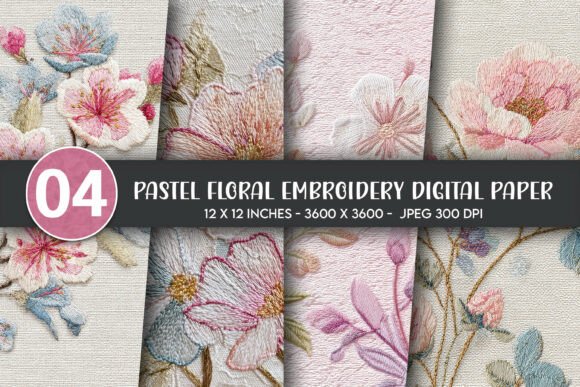
The visual personality of Pastel Floral Embroidery Digital Paper is gentle but structured. It avoids the chaotic clutter of busy boho patterns and steers clear of overly rigid geometric shapes. Instead, it offers a balanced composition that feels modern yet timeless. For an Etsy seller or a boutique owner, this translates to high appeal across multiple demographics. It works beautifully for nursery decor, bridal showers, spring collections, and everyday home accents.
What stands out immediately is the clarity of the lines. In digital graphics, details can sometimes get lost in the noise, but here, the floral elements have distinct boundaries. This suggests that when converted into an actual machine embroidery design, the individual petals and leaves will likely maintain their shape without merging into a muddy blob. That is crucial for maintaining a premium look on finished products like tote bags or sweatshirts.
Real-World Application: From Screen to Stitch
I recently tested the concept of this design on a custom embroidered tote bag project. The goal was to create a lightweight, reusable shopping bag with a subtle, elegant aesthetic. Here is how Pastel Floral Embroidery Digital Paper performed in that scenario:
- Visual Appeal: On a natural canvas tote, the pastel tones created a striking contrast against the neutral background. The design didn’t overpower the fabric; instead, it enhanced it. Customers responding to mockups often comment on how "clean" and "professional" the embroidery looks.
- Product Value: Using this as a tote bag design elevates the perceived value of the item. It moves beyond simple screen printing aesthetics and enters the realm of artisanal craftsmanship. Buyers are often willing to pay a premium for items that feature detailed, multi-thread embroidery.
- Versatility: Beyond bags, this design shines in other categories. Imagine this same layout applied to a sweatshirt embroidery project for a cozy fall collection, or scaled down for a delicate baby embroidery piece on a onesie. The adaptability of the pattern means you can reuse this single asset across multiple product lines.
For digital product sellers, this design also serves as excellent design assets. You can use it to create printable mockups for clients, offering them a preview of how the final embroidery project might look on various garments or home goods.
Where Caution Is Required
While the design is strong, no single file is perfect for every surface. There are specific scenarios where Pastel Floral Embroidery Digital Paper requires careful handling to ensure a successful outcome.
- Small Hoop Sizes: If you attempt to digitize or stitch this design in a very small hoop (under 4x4 inches), you risk losing detail. The intricate floral elements may become too compressed, making the final finished product look cluttered rather than refined. Always check the recommended hoop size before committing to a tiny accessory.
- Textured and Stretchy Fabrics: Embroidering on heavily textured fabrics like chunky knits or highly stretchy materials can distort the symmetry of the floral pattern. The fabric movement under the needle can cause puckering, which ruins the crispness of the satin stitch edges. Stick to stable cottons, linens, or blends with proper stabilizer support.
- Dense Stitch Areas: Pay attention to areas where fill stitches overlap. If the stitch density is too high, the fabric may become stiff and uncomfortable, especially on wearable items like caps or hats. Test the tension carefully to avoid thread breaks or fabric distortion.
- Curved Surfaces: Applying this design to curved surfaces like baseball caps or aprons requires advanced placement skills. The flat nature of the digital graphic must be mentally mapped onto a 3D curve, which can stretch or compress the image unevenly.
Technical Considerations for the Designer
To get the most out of this digital embroidery file, you need to treat it with the same rigor as any complex digitization project. Here are practical notes for ensuring quality:
- Thread Color Contrast: Pastel colors can sometimes lack contrast against light backgrounds. Before finalizing your order or production run, test the thread colors on the actual fabric you intend to use. A slight shift in hue can make or break the visibility of the design.
- Stabilizer Choice: The type of stabilizer you use is critical. For delicate fabrics, a cut-away stabilizer provides lasting support, while tear-away might suffice for sturdy cottons. Incorrect stabilization leads to puckering, which is the fastest way to ruin a handmade product.
- Black and White Mockups: One pro tip from my workflow: convert the design to black and white in your editing software. This helps you see the true structure and balance of the composition without being distracted by color. If the shape reads clearly in grayscale, it will likely embroider successfully.
- Licensing and Commercial Use: Before listing this as a small shop product or selling finished items, double-check the licensing terms. Some Patterns and Graphics are restricted to personal use only. Ensuring you have the right to sell the physical output protects your business from legal issues.
Final Verdict: Is It Worth the Investment?
Overall, Pastel Floral Embroidery Digital Paper is a strong contender for designers looking to add a touch of elegance to their catalog. Its clean lines and versatile theme make it suitable for a wide range of applications, from commercial embroidery jobs to personal gifts. It strikes a balance between detailed enough to showcase skill and simple enough to appeal to a broad audience.
However, success depends on execution. It is not a "set it and forget it" file. You must respect the fabric limitations, choose appropriate threads, and manage stitch density carefully. When done correctly, this design transforms a basic item into a memorable personalized gift or a standout piece of custom apparel.
For the savvy craft business owner, this asset offers good ROI due to its cross-category applicability. Whether you are creating holiday embroidery collections, wedding favors, or everyday essentials, this design provides a reliable foundation for professional results. Just remember: always test on scrap fabric first, inspect the small details closely, and let the quality of your stitching speak for itself.