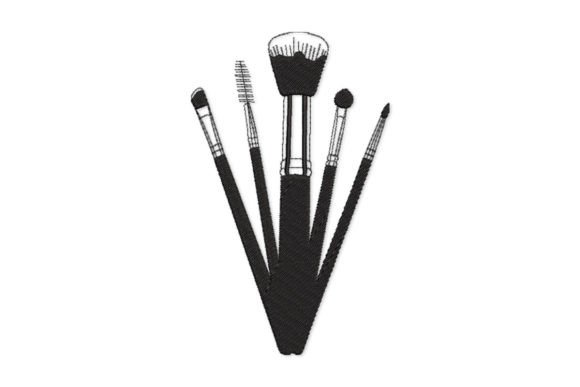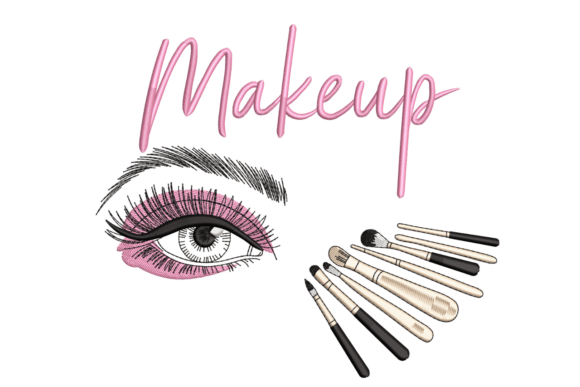
Makeup Split Embroidery Design Review
As a designer who spends more time than I care to admit staring at stitch charts and testing thread tensions, I don’t just buy embroidery files; I interrogate them. I need to know if they will hold up on a busy weekend at a craft fair or if they will look professional enough for a high-end boutique client. Today, I am putting Makeup Split under the microscope. This design falls squarely into the Beauty category, but like many designs in this niche, its success depends entirely on execution, context, and the specific needs of your craft business.
First Impressions: The Visual Personality
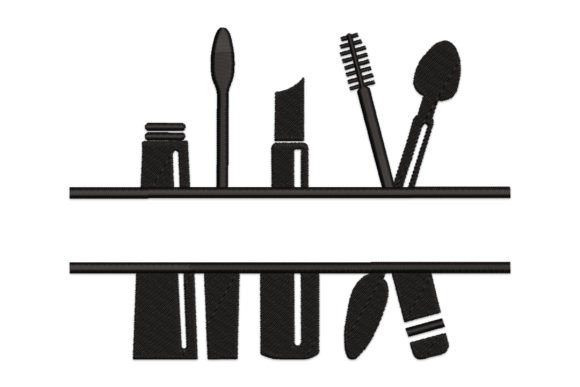
When you first open the file for Makeup Split, the immediate takeaway is its creative composition. It isn’t just a static image of a lipstick or a compact mirror slapped onto a hoop. The concept relies on elements that appear split or divided uniquely, creating a sense of movement and modern abstraction. For an embroidery project targeting fashion-forward audiences, this visual interest is crucial. It feels less like a generic clip-art graphic and more like a deliberate artistic statement.
The mood it creates is chic, contemporary, and slightly edgy. It avoids the overly sweet or cliché aesthetics often found in beauty-themed designs. Instead, it leans into a minimalist yet detailed aesthetic that suggests sophistication. For an Etsy seller or a maker looking to create custom apparel, this design offers a strong foundation for branding. It communicates quality before the customer even touches the fabric. However, the "split" nature of the design means that clarity is paramount. If the stitching is muddy, the clever concept is lost.
Real-World Application: Where Does It Fit?
I recently imagined using Makeup Split for a custom order—a set of canvas tote bags for a local makeup artist’s gift box. The idea was to pair the design with high-quality, neutral-toned threads to let the geometry shine. Here is how I see this design performing in various real-life scenarios:
- Tote Bag Design: This is perhaps the strongest use case. A large, structured tote provides the perfect flat surface to showcase the intricate details of the split elements. It serves as a walking advertisement for the brand, making it ideal for small shop product lines.
- Sweatshirt Embroidery: For a cozy, streetwear vibe, placing a smaller version of Makeup Split on the chest of a heavyweight hoodie can work beautifully. The contrast between the soft fabric and the precise satin stitch outlines adds tactile appeal.
- Embroidered Patch: Converting the design into a patch format allows for versatility. You could attach these patches to denim jackets, backpacks, or baby embroidery projects like bibs, offering a unique twist on traditional motifs.
- Kitchen Towels and Aprons: While it might seem unexpected, the clean lines of the split design translate well to home goods. On a linen apron, it adds a touch of elegance to the kitchen, appealing to hobbyists who value aesthetics in their tools.
In each of these instances, the design elevates the perceived value of the finished product. It doesn’t look like a quick, cheap addition; it looks intentional. This distinction is vital for building customer trust and encouraging repeat purchases.
Technical Considerations and Stitch Clarity
Designing for the machine is different from designing for print. With Makeup Split, the primary challenge lies in maintaining definition across the split sections. If the stitch density is too low, the fabric may show through, ruining the crispness of the division. Conversely, if it is too dense, the fabric may pucker, especially on lighter materials.
Here are practical notes for designers evaluating this machine embroidery design:
- Thread Color Contrast: Because the design features divided elements, color choice is critical. Using tonal threads (e.g., black on navy) might obscure the split effect. High-contrast combinations, such as white on dark fabric or metallics on pastels, will help delineate the shapes clearly.
- Hoop Size Constraints: Ensure the design fits comfortably within your standard hoop sizes without requiring excessive trimming. If the design is scaled down too much, the fine details of the split components may become indistinguishable blobs of thread.
- Stabilizer Selection: Always test on scrap fabric first. For stretchy fabrics like jersey used in custom apparel, a cut-away stabilizer is non-negotiable to prevent distortion over time. For woven cottons used in tote bag design applications, a tear-away may suffice for short-term wear, but wash-away offers the cleanest finish.
- Detail Inspection: Zoom in on the digital preview. Are there tiny corners or isolated islands of thread? These areas are prone to tangling or breaking during the stitching process. If the design includes delicate running stitch accents, ensure your machine handles them smoothly.
Where to Use It Carefully
Not every surface is suitable for Makeup Split. There are specific contexts where this design might struggle:
- Small Hoop Sizes: Attempting to fit this design into a very small hoop (under 4x4 inches) risks losing the visual impact. The split elements need breathing room to be appreciated.
- Textured or Thick Fabrics: Denim, corduroy, or heavy fleece can hide the nuances of the design. The texture of the fabric competes with the texture of the thread, leading to a muddled appearance.
- Curved Surfaces: While possible, embroidering on caps or curved hat fronts requires significant digitizing adjustments to account for the curve. Without proper tensioning, the split lines may warp, distorting the intended geometry.
- Dense Stitch Areas: If the design has large blocks of fill stitch, it may become stiff and uncomfortable against the skin, particularly on personalized gift items meant for frequent wear.
Commercial Viability and Brand Consistency
For the digital product seller or the commercial embroidery specialist, Makeup Split offers strong potential. It taps into the evergreen beauty market but does so with a fresh, modern twist. It is versatile enough to be featured in printable mockups for online listings, helping buyers visualize the final result. When you present a design asset that looks polished and professionally executed, you signal reliability.
Consider how this fits into a broader collection. If you specialize in beauty-themed merchandise, this design complements other items like skincare labels or salon robes. It helps establish a cohesive brand identity. Buyers are drawn to shops that feel curated rather than random. By selecting designs like Makeup Split that share a common visual language—clean lines, modern concepts—you build a stronger craft business presence.
Final Verdict
Makeup Split is a thoughtful, visually engaging design that rewards careful execution. It is not a "set it and forget it" file; it demands attention to thread choice, stabilizer type, and placement. However, when done right, it produces a stunning handmade product that stands out in a crowded marketplace.
I recommend testing this design thoroughly before committing to bulk production. Check the licensing terms to confirm whether you can sell finished items or if it is restricted to personal use only. Verify the file compatibility with your specific software. And most importantly, trust your eye. If the split elements read clearly on your test swatch, you have a winner. This design has the potential to elevate your Etsy listings and attract customers who appreciate the intersection of art and utility. It is a smart addition to any serious embroiderer’s library.