Baby Monkey Dancing Redwork Design Review
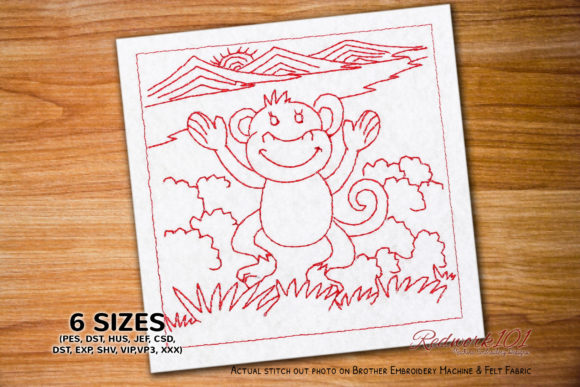
As an embroidery designer who has spent years translating digital concepts into tangible stitched products, I look at every new file with a critical eye. It is not enough for a design to simply look good on a screen; it must translate flawlessly onto fabric, hold up under wear, and enhance the brand identity of the small business using it. Today, I am reviewing the Baby Monkey Dancing Redwork design. This piece features a dancing monkey framed by bushes with a sun and mountain background. While the description highlights its fun and awesome nature, my job is to determine if this playful aesthetic can serve as a professional asset for branded merchandise, patches, uniforms, and custom apparel.
First Impressions: Visual Personality and Style
The term "Redwork" immediately sets a specific expectation. Traditionally, redwork refers to simple, bold, single-color embroidery, often with a rustic or vintage feel. When we see a design described as Baby Monkey Dancing Redwork, we are looking at a piece that likely prioritizes clean lines and high contrast over intricate shading. For a small business owner, this is a significant advantage. The silhouette of a dancing monkey between bushes suggests movement and joy, while the sun and mountain background adds a sense of outdoor adventure or natural charm.
In terms of visual personality, this design feels friendly, handmade, and playful. It does not scream corporate rigidity; instead, it invites engagement. For brands in the bakery, florist, pet care, or boutique sectors, this level of approachability is invaluable. It signals that the business values creativity and warmth. However, because it is categorized under Wild Animals, there is a slight tonal disconnect if used for a formal corporate uniform. It fits best where whimsy and artisanal quality are the primary goals. The design appears to be decorative yet bold enough to stand alone without needing heavy text support, which is a key factor in successful embroidered patch creation.
Real-World Business Applications
When evaluating a machine embroidery design for commercial use, I imagine how it will perform across various product categories. The Baby Monkey Dancing Redwork file offers several promising applications for small business merch and custom apparel.
- Embroidered Patches: This is perhaps the strongest use case. The central figure of the monkey, surrounded by framing elements like bushes, creates a natural border. This makes it ideal for creating a standalone embroidered patch that can be sewn or ironed onto denim jackets, beanies, or backpacks. The bold nature of redwork styles usually translates well to patches, ensuring they remain legible even when cut out.
- Apron Embroidery: For bakeries, cafes, or craft studios, a chest-level placement on a canvas apron works beautifully. The dancing motif adds a touch of humor to the workplace, boosting staff morale while serving as a subtle brand mark. It pairs exceptionally well with neutral fabric textures, allowing the thread colors to pop.
- Cap Embroidery: If the hoop size allows, this design could work on the front panel of a structured cap. The horizontal spread of the bushes and mountains suggests a width that might fit standard 4x4 or 5x7 hoops, depending on the digitizing. A curved surface requires careful tension adjustment, but the result can be a distinctive piece of event merch or promotional giveaway.
- Tote Bag Design: Canvas tote bags are a staple for Etsy sellers and market vendors. Placing this design on the side panel or center front of a tote bag leverages the tote bag design trend towards unique, handcrafted aesthetics. It moves away from generic text-based logos and offers customers a wearable piece of art that supports the brand.
- Product Packaging Accents: Beyond apparel, consider using this as a label on gift boxes or product tags. A small version of the design can elevate the unboxing experience, making a handmade product feel premium and thoughtfully curated.
Strategic Brand Identity Considerations
Using a design like Baby Monkey Dancing Redwork affects more than just the look of the item; it influences customer trust and recognition. A consistent visual language helps buyers identify your brand instantly. If your brand voice is lighthearted, creative, and eco-conscious (hinted at by the mountain and bush imagery), this design reinforces those values. It suggests that you pay attention to detail and care about the aesthetic appeal of your finished product. Conversely, if your brand is strictly minimalist or high-end luxury, this playful monkey might dilute your perceived professionalism. It is crucial to ensure that the design aligns with your overall brand identity and does not clash with other design assets in your catalog.
Where to Use Carefully: Limitations and Risks
No digital embroidery file is perfect for every application. There are specific scenarios where this design might struggle, and understanding these limitations is part of a professional designer’s workflow.
First, consider scale. If you attempt to reduce this design to a very small patch size, such as one inch wide, the details of the bushes and the background sun may become muddy. High stitch density in small areas can cause puckering or loss of definition. Always test the design at its intended final size before committing to bulk production. Similarly, placing this on highly textured fabrics, like heavy wool or loose-weave linen, can obscure the fine details of the monkey’s pose. Smooth cottons, poly-cotton blends, and canvas are safer bets for maintaining clarity.
Another area of caution is color contrast. Redwork traditionally relies on a single color against a contrasting background. If you plan to use multiple thread colors, ensure that the transition between the monkey, the bushes, and the sky elements remains distinct. On dark uniforms, a light thread color is essential, but on light fabrics, you may need a darker outline or backing to prevent the design from blending in. Additionally, items that require frequent washing, such as work shirts or baby clothes, need robust stitching. Check the stability of the satin stitches around the edges of the monkey to ensure they do not fray or pull apart after repeated laundering.
Practical Designer Notes for Production
Before adding this to your production line, I recommend following these practical steps to ensure quality control.
- Black and White Test: View the design in grayscale first. This helps you assess the balance of negative space and solid shapes without being distracted by thread colors. If the design looks cluttered in black and white, it will likely look cluttered in color.
- Check Hoop Size and File Format: Verify the maximum dimensions of the file. Ensure it fits within your standard machine hoops. Confirm the file format is compatible with your embroidery software.
- Stabilizer Selection: The choice of stabilizer is critical. For lightweight fabrics, use a tear-away stabilizer to prevent bulk. For stretchy materials like jersey, a cut-away stabilizer is necessary to maintain shape over time. Incorrect stabilizer choice can lead to distortion of the dancing monkey’s posture.
- Thread Color Contrast: Select thread colors that offer strong contrast against your target fabric. Experiment with different thread weights; sometimes a slightly thicker thread can make the redwork style appear bolder and more impactful.
- Create a Printable Mockup: Before stitching the first sample, create a printable mockup of the design on your actual product. This allows you to visualize the placement and scale relative to other branding elements, such as logos or text.
- Commercial Licensing: Most importantly, confirm the commercial licensing terms. Ensure you have the right to sell products made with this embroidery file. Unauthorized commercial use can lead to legal issues.
In conclusion, the Baby Monkey Dancing Redwork design is a versatile and charming option for small businesses looking to add a touch of personality to their merchandise. By carefully considering its application, testing on real fabric, and aligning it with your brand’s visual goals, you can turn this playful motif into a valuable asset for your commercial embroidery projects. Whether used as a standout patch, a cute accent on an apron, or a unique mark on a tote bag, it has the potential to delight customers and strengthen your brand’s handmade appeal.