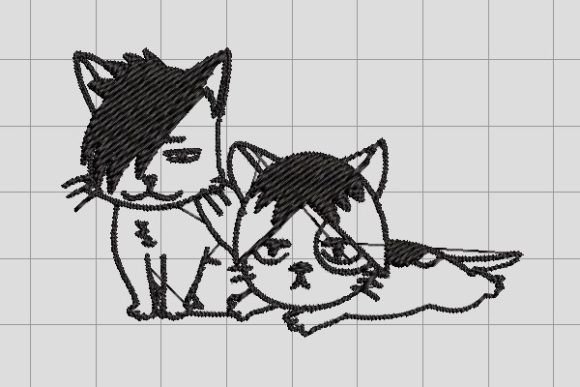
Cat Embroidery Design Review
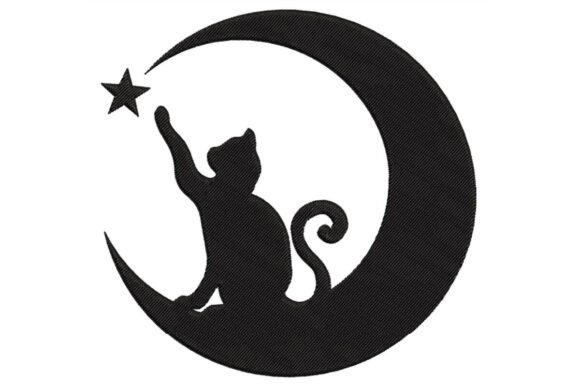
As an embroidery designer who spends countless hours evaluating files for boutique collections, I am always looking for that perfect balance between charm and commercial viability. When browsing Creative Fabrica embroidery options for a new line of cozy apparel, the Cat design caught my eye. It is not just another generic icon; it feels like a deliberate choice for brands aiming to connect with pet lovers through wearable art. This review explores how this specific machine embroidery design might translate from a digital file into a tangible, high-quality product.
First Impressions and Visual Mood
The immediate appeal of the Cat design lies in its visual personality. In a market saturated with complex florals or abstract geometries, there is something inherently comforting about a well-executed animal motif. The design exudes a playful yet sophisticated energy. It does not feel overly childish, which makes it suitable for a wider age range, including adults who appreciate minimalist but meaningful graphics.
From a design perspective, the stitching mood appears balanced. It avoids being too heavy-handed, suggesting that the stitch density is likely optimized for both detail and comfort. For boutique owners, this is crucial. A design that is too dense can make a sweatshirt feel stiff and unwearable, while one that is too sparse may lack definition. The Cat design seems to hit that sweet spot, offering enough decorative strength to stand out on social media without overwhelming the garment’s natural texture.
Application on Boutique Apparel
One of the most exciting aspects of working with this embroidery file is imagining it on various fabric types. My initial concept for a collection involves neutral-toned hoodies. Placing the Cat design on a chest-sized pocket area of a oatmeal or heather grey hoodie creates an instant lifestyle aesthetic. It suggests a brand that values comfort and subtle expression.
For a more vibrant approach, consider pastel hoodies in soft lavender or mint. The contrast here would be gentle yet distinct, appealing to customers looking for "cozy seasonal outfits" that are trendy rather than basic. On dark apparel, such as charcoal or navy, the design would pop significantly, provided the thread colors chosen offer adequate contrast. This versatility is key for any small shop product line aiming for broad appeal.
Beyond hoodies, the Cat design is adaptable to oversized garments. Oversized tees have become a staple in modern streetwear. Embroidering the design slightly off-center or on the sleeve can add a unique, custom touch that elevates a standard blank tee into a premium custom apparel item. Furthermore, denim jackets offer a rugged canvas where the softness of the cat motif creates a pleasing textural juxtaposition.
Lifestyle and Accessory Expansion
While apparel is the primary focus, the description notes that this design works on items like tote bags, beauty cases, and hair brushes. This opens up opportunities for cross-selling. A matching set featuring a Cat-embroidered hoodie and a coordinating tote bag can increase average order value for an Etsy seller. These accessories serve as excellent props for lifestyle product photos, helping to tell a story about the brand’s identity.
Strategic Placement and Technical Considerations
Successful embroidery relies heavily on placement and technical execution. When planning to use the Cat design, several factors must be carefully evaluated to ensure a professional finish.
- Chest Placement: For small chest placements, verify the hoop size compatibility. Ensure the design fits comfortably within the hooping area without requiring excessive trimming or re-hooping, which can distort the fabric.
- Dense Stitch Areas: Inspect the stitch density closely. Dense areas on stretchy fabrics like fleece or ribbed cuffs can cause puckering. If placing the design on a sleeve cuff or collar, test on scrap fabric first to ensure the stabilizer choice supports the fabric weight adequately.
- Fabric Texture: The interaction between the thread and fabric is vital. On textured fabrics like chunky knits, the design details might get lost. Smooth cotton blends or polyester fleece provide a better surface for maintaining the integrity of the thread colors.
- Curved Surfaces: Avoid placing the design on highly curved surfaces like the shoulders of a t-shirt unless you have advanced digitizing skills to manage the distortion. Flat panels like the front torso or back yoke are safer bets for consistent results.
Impact on Brand Identity and Value
In the world of handmade products, perceived value is often tied to presentation. High-quality embroidery signals professionalism and attention to detail. Using a well-designed file like Cat can enhance brand identity by associating your products with themes of warmth, companionship, and care.
For an Etsy seller or a digital seller creating mockups, the visual consistency of using a recognizable, charming motif helps with customer engagement. Buyers often scroll quickly; a clear, crisp image of an embroidered cat on a stylish hoodie stops the scroll. It communicates instantly what the product represents: comfort, style, and a love for animals. This emotional connection drives trust and recognition, turning casual browsers into loyal customers.
Practical Designer Notes for Production
Before committing to a full production run, I recommend taking a methodical approach. First, confirm the creative fabrica product details and licensing terms. Ensure you have the right permissions for commercial embroidery if you plan to sell finished goods. Do not assume all files allow for unlimited sales; some may require specific attribution or have tiered pricing.
Next, perform rigorous testing. Always test on scrap fabric that matches the weight and stretch of your final garment. Check the stabilizer choice—cut-away stabilizers are generally preferred for knitwear like hoodies to prevent shifting during wear and washing. Compare different thread colors to see which provides the best contrast against your target fabric. If the design includes fine details, ensure your machine can handle the resolution without skipping stitches.
Additionally, review the file structure. While the prompt mentions multiple embroidery variations, verify the actual file formats available. Compatibility with your specific embroidery machine is essential. If the file format is obscure, you may need conversion software, which can sometimes alter the stitch path slightly.
Conclusion
The Cat embroidery design presents a strong opportunity for designers looking to expand their boutique apparel offerings. Its versatile aesthetic allows it to work across a spectrum of products, from casual t-shirts to premium sweatshirt embroidery projects. By paying close attention to technical details like hoop size, fabric texture, and stabilizer selection, creators can produce high-quality finished products that resonate with customers.
Whether you are an established boutique brand or a new handmade business owner, incorporating a well-crafted animal motif like this can add depth and character to your collection. It is a reminder that in the world of machine embroidery, the smallest details often make the biggest impact. Take the time to test, refine, and present your work professionally, and the Cat design will likely serve as a standout piece in your lineup.